|
Sensory Challenges
|
Possible Reasons for Sensory Challenges
|
|
Sensory Box
|
|
What Is It?
|
|
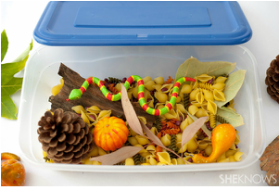
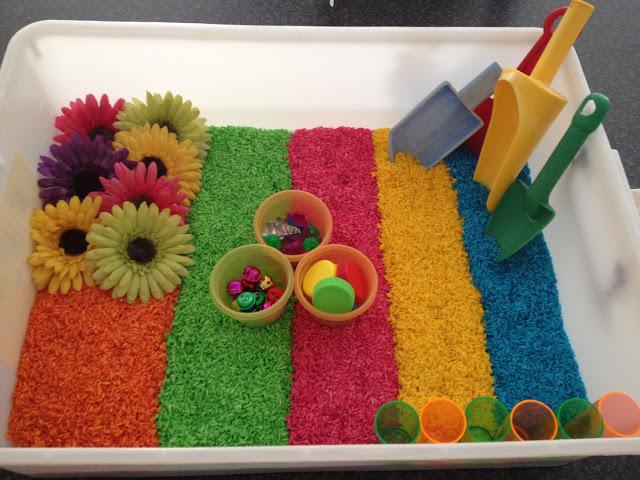
A sensory box is designed to assist children with sensory development by exposing them to a variety of different colors and sounds. They can be designed with a variety of different materials and may include: water, toys, lights, shells, measuring cups, sand, rocks, beads and other shiny objects. The boxes are designed to provide children with ongoing opportunities to engage with these objects and spend time exploring their colours, texture, weight, sound and smell.
|
|
|
|
The Purpose & Benefits
|
|
Children are given the chance to encounter and experience a variety of materials they can touch, see, and smell in a controlled environment. Giving students with Down syndrome access to sensory boxes provides them with the opportunity to continue to practice and develop a variety of sensory skills. Boxes can be consistently updated with new materials (and more advanced) as the student becomes familiar with the current objects in the box.
The use of a sensory box will make students more likely to explore and apply sensory skills learned from using the sensory box with other objects and items in their environment. It gives students with Down syndrome a chance to have fun while playing with sensory objects that might otherwise cause them stress and discomfort in an uncontrolled environment. |
|
How to Use It
|
First you can work with students in your class to gather items that are suitable for the type of sensory box you plan to assemble. It is important that you have properly assessed your students current sensory abilities and know what items would best support their continued sensory development. It is a good idea to use items that are commonly found in the local environment because these are the sorts of things the student will encounter in their everyday life.
Find a suitable box to set up the items. Having a variety of objects that feature bright colours, have varied textures and can make a range of sounds is ideal. Set up a quiet place in the room for the student to use the sensory box. Provide time for students to engage and play with objects in the box either independently, with a partner or accompanied by an aid. |
References:
WhebieJ, Hong CS (2006) Apparatus for enhancing sensory processing in children. Int J Ther Rehabil 13(4) 177-81
Sensory Environments for Deafblind Children and Adults. Retrieved from http://www.sense.org.uk/sites/default/files/Sensory_environments_for_deafblind_children_and_adults_0.pdf. July 10, 2015.
Image 1: How to Create Fall Sensory box. Retrieved July 10, 2015. http://www.sheknows.com/parenting/articles/1017871/how-to-create-a-fall-sensory-box.
Image 2: 13 Sensational Spring Sensory Bins. Retrieved July 12, 2015. www.mpmschoolsupplies.com.
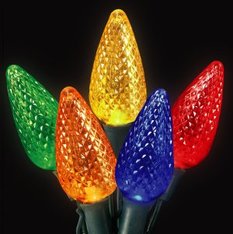
Image 3: Christmas Lights. Retrieved July 16, 2015. www.sanantonio-christmaslights.com.
Sensory Environments for Deafblind Children and Adults. Retrieved from http://www.sense.org.uk/sites/default/files/Sensory_environments_for_deafblind_children_and_adults_0.pdf. July 10, 2015.
Image 1: How to Create Fall Sensory box. Retrieved July 10, 2015. http://www.sheknows.com/parenting/articles/1017871/how-to-create-a-fall-sensory-box.
Image 2: 13 Sensational Spring Sensory Bins. Retrieved July 12, 2015. www.mpmschoolsupplies.com.
Image 3: Christmas Lights. Retrieved July 16, 2015. www.sanantonio-christmaslights.com.
